
Key Takeaways
- Driving changes happen gradually, often starting with small, easy-to-miss warning signs.
- Physical limitations and increased anxiety behind the wheel are clear indicators that driving may no longer be safe.
- Giving up the keys does not mean losing independence.
- Safe, reliable transportation options exist to help you or your loved one stay connected to daily life.
Driving represents independence, freedom, and your daily routine. Giving up the keys is an incredibly heavy topic. Conversations about stopping driving can feel uncomfortable or even frightening. You might worry about hurting your mother’s feelings or losing your own ability to get around. Because of this fear, many families avoid the topic entirely until a close call forces the issue.
You do not have to wait for an emergency. This guide is here to help you navigate this transition with compassion. We focus on safety, dignity, and support so you can keep your loved one safe without taking away their independence.
Why This Conversation Matters
Driving ability changes gradually over time. Small warning signs are often easy to dismiss as one-off mistakes. However, aging, medical conditions, new medications, vision changes, and mobility issues all impact safe driving.
Safety affects everyone on the road. It impacts the driver, their passengers, and the other cars passing by. It also affects the family members carrying the heavy stress and worry every time their loved one backs out of the driveway. Here is what you need to watch for.
Sign #1: Frequent Near Misses or Minor Accidents
Small incidents often point to bigger concerns. You might notice new dents or scrapes on the car. Maybe you or your parent suddenly has difficulty parking or frequently runs over curbs. You might also notice delayed reaction times and increased close calls at intersections.
These moments matter. They often indicate declining awareness, coordination, or vision.
Sign #2: Getting Lost on Familiar Routes
Familiar places suddenly feel confusing. You might find your mother missing turns she has taken for years. She may forget directions to routine appointments or the local grocery store. You might also notice a sudden, increased reliance on a GPS for everyday destinations.
Confusion while driving can quickly become dangerous. This is especially true in heavy traffic or unfamiliar weather conditions.
Sign #3: Physical Limitations Make Driving Harder
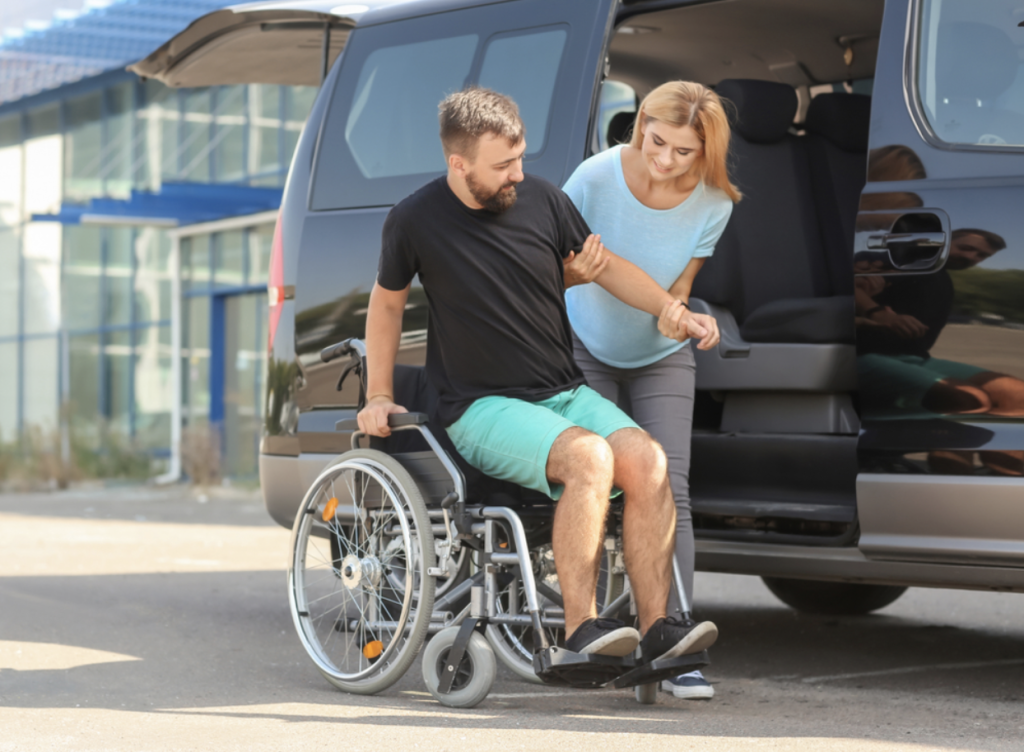
Mobility changes directly affect vehicle control. You might notice difficulty turning the neck to check blind spots. Slower movement getting in or out of the car is a common warning sign. There may also be trouble pressing the pedals comfortably, joint stiffness, or extreme fatigue during longer drives.
Safe driving requires quick physical responses and sustained focus. When the body struggles, the risk of an accident increases.
Sign #4: Driving Causes Anxiety for Them (or for You)
Sometimes the stress says it all. You might see white-knuckle driving or a sudden refusal to drive on highways, at night, or in bad weather. As a family member, you might find yourself constantly worrying during their trips.
Anxiety impacts decision-making and reaction time. Furthermore, caregiver stress builds over time. You deserve peace of mind.
Sign #5: Missed Appointments or Avoiding Necessary Trips
Transportation barriers eventually start affecting daily life. You might notice your parent skipping doctor appointments or avoiding simple errands. They may decline social outings or lose confidence leaving the house alone.
Transportation challenges quickly impact both physical and mental health. Isolation can be just as dangerous as an accident.
Stopping Driving Doesn’t Mean Losing Independence
You can reframe this transition. Safe transportation actually increases freedom and confidence. Reliable rides help older adults stay connected to healthcare, social activities, family events, and daily routines.
Independence can look different. You can prioritize dignity, comfort, and continued mobility without the stress of being behind the wheel.
How Non-Emergency Medical Transportation Can Help
Reliable support is available for recurring appointments and everyday mobility. Non-emergency medical transportation gives you door-to-door assistance from professional drivers. They offer wheelchair-accessible options and personalized care that reduces stress for caregivers. This ensures safe transportation for seniors and patients with ongoing medical needs.
Taking the Next Step for Safety
Recognizing the signs early helps families avoid emergencies and accidents. We encourage compassionate conversations rather than reactive decisions. Asking for help is about preserving safety, not enforcing a limitation.
Feeling stuck is discouraging, but you are not out of options. Explore safe transportation alternatives before driving becomes a crisis. Reach out today to schedule dependable transportation for medical appointments and recurring care needs.
Frequently Asked Questions
Q: Is it normal to feel guilty about asking a parent to stop driving?
A: Yes, it is entirely normal to feel guilty. Driving is a major part of adult independence, and changing that dynamic is difficult. Remember that you are prioritizing their physical safety and peace of mind.
Q: How do I start the conversation about giving up the keys?
A: Start with empathy and focus on specific observations. Say something like, “I noticed you were rubbing your neck after driving yesterday,” rather than attacking their driving skills. Keep the focus on their health and comfort.
Q: Will insurance cover non-emergency medical transportation?
A: Sometimes. Medicaid and certain Medicare Advantage plans often cover rides to medical appointments. Check with your specific insurance provider to see exactly what transportation benefits you have available.