Key Takeaways
-
- Recovery Beyond the Clinic: A successful recovery doesn’t end when you leave the hospital. Reliable transportation to follow-up appointments, therapy, and pharmacies is crucial for healing.
-
- The High Cost of Missed Rides: Transportation barriers lead to missed appointments, which can delay treatment, create gaps in care, and worsen health conditions. This can result in a longer, more difficult recovery process.
-
- More Than a Logistical Problem: The stress of arranging rides adds a significant emotional and mental burden on patients and their families, which can negatively impact physical healing.
-
- Proactive Solutions are Available: Exploring options like Non-Emergency Medical Transportation (NEMT), community volunteer driver programs, and specialized ride services can eliminate these barriers and support a smoother recovery.
You’ve made it through the surgery or hospital stay. The doctors and nurses have done their part, and now you’re finally home, ready to focus on getting better. But then reality sets in. Your next physical therapy session is on Tuesday, you have a follow-up with the specialist on Thursday, and you need to pick up a new prescription. Suddenly, the biggest hurdle to your recovery isn’t the healing itself, but the simple act of getting to where you need to go.
This struggle is incredibly common. For many, the road to recovery is filled with transportation potholes that can derail even the best treatment plan. When getting a ride feels like a monumental task, it’s easy for appointments to get missed and for healing to take a backseat.
This post will explore how these transportation barriers can slow down your recovery and, more importantly, what you can do about it. There are practical solutions that put you back in control of your health journey.
The Hidden Ways Transportation Issues Affect Recovery
When a patient misses a follow-up appointment, it’s rarely a choice. More often, it’s the result of a transportation breakdown. This single issue can create a ripple effect that touches every aspect of the healing process.
1. Delayed Treatment and Gaps in Care
Consistent follow-up care is the backbone of a strong recovery. Physical therapy sessions build strength after surgery, regular check-ups monitor progress, and timely wound care prevents infection. When you can’t get to these appointments, you create gaps in your treatment plan.
A missed physical therapy session can lead to stiffness and a longer rehabilitation period. A skipped follow-up with a cardiologist could mean that a potential complication goes unnoticed. These delays don’t just postpone your recovery; they can actively set it back, sometimes leading to more intensive and costly interventions down the line.
2. The Heavy Toll of Stress and Anxiety
Figuring out transportation is stressful. You might feel like a burden asking family and friends for yet another ride, especially when they have their own work and family commitments. Trying to coordinate with a standard rideshare service can be a nightmare if you need extra assistance or have mobility equipment.
This constant worry adds a heavy layer of mental and emotional strain at a time when you should be resting. Stress is known to impede the body’s ability to heal by increasing inflammation and weakening the immune system. The anxiety of securing a ride can become a genuine obstacle to your physical recovery.
3. Medication and Supply Shortages
Recovery often depends on a strict medication schedule or having the right medical supplies at home. A trip to the pharmacy is just as important as a trip to the doctor. When transportation is a barrier, patients may delay refilling prescriptions or go without necessary supplies like wound dressings or diabetic test strips.
Running out of essential medication can have serious consequences, from uncontrolled pain to a dangerous spike in blood pressure. The inability to get to a pharmacy turns a simple errand into a significant health risk.
What to Do Instead: Practical Solutions for Transportation Barriers
Feeling stuck is discouraging, but you are not out of options. Taking a proactive approach to your transportation needs can make all the difference. Think of it as creating a “transportation care plan” that supports your medical one.
Explore Non-Emergency Medical Transportation (NEMT)
NEMT is a benefit included in all state Medicaid programs designed specifically for this problem. It provides transportation to medical appointments for individuals who have no other means of getting there. Unlike a taxi, NEMT services are tailored to the patient’s needs. This can include:
-
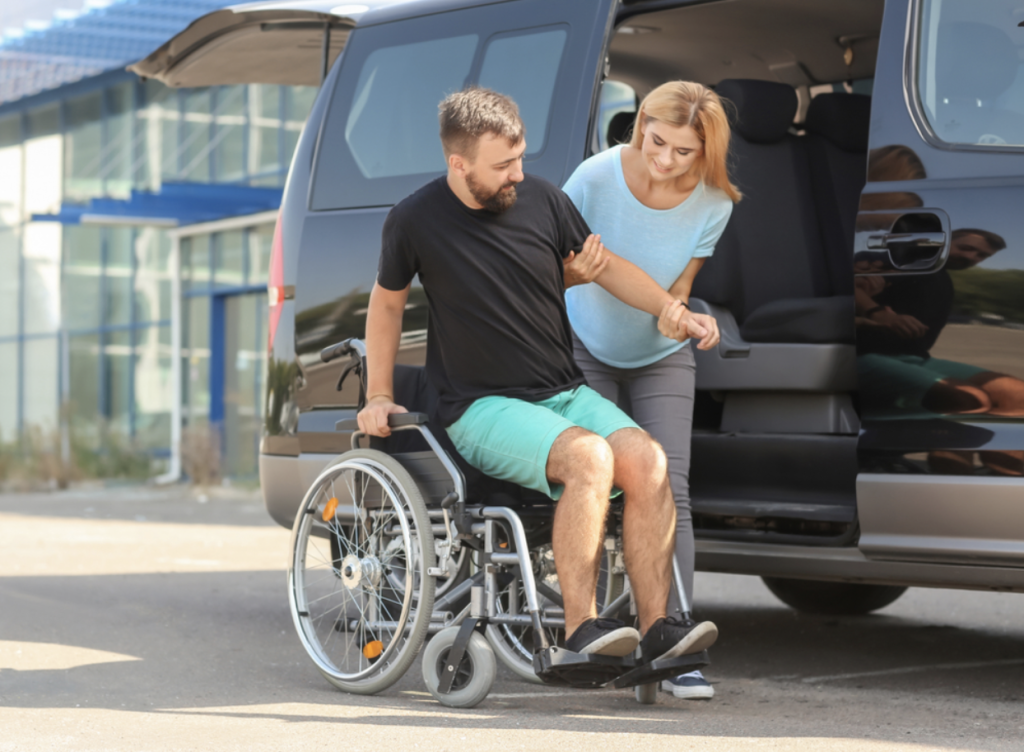
- Wheelchair-accessible vans: For patients with significant mobility challenges.
-
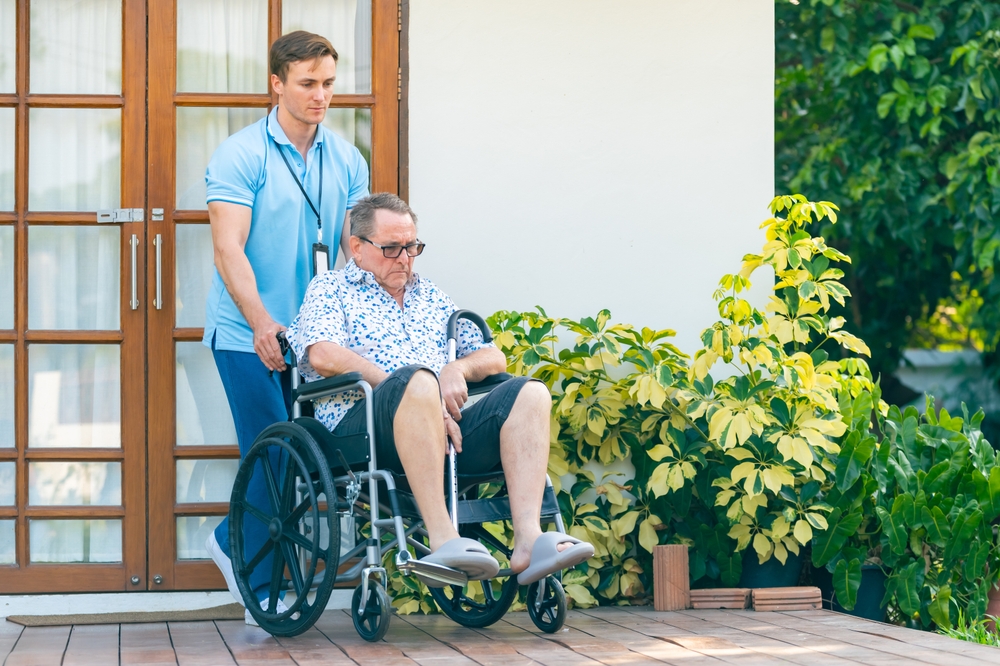
- Door-to-door assistance: Where the driver helps you from inside your home to your appointment check-in.
-
- Stretcher transportation: For patients who must remain lying down.
Check with your insurance provider, including Medicare Advantage and private plans, as many now offer NEMT benefits to help members access care.
Look into Community and Volunteer Programs
Many local communities have organizations dedicated to helping residents get to their medical appointments. These programs often rely on volunteer drivers who are committed to serving their neighbors.
-
- Area Agencies on Aging: These are fantastic resources for seniors and can connect you with local transportation services.
-
- Non-profit and Faith-based Groups: Churches, synagogues, and other community groups often have volunteer driver programs for members and the wider community. A quick search online for “volunteer medical transportation near me” can yield surprising results.
Leverage Specialized Ride Services
Beyond traditional NEMT, a growing number of companies focus on providing reliable and comfortable medical transportation. These services understand the needs of patients, offering pre-scheduled rides, trained drivers, and vehicles equipped to handle walkers or other mobility aids. While this is often a private pay option, the peace of mind and reliability can be well worth the investment in your recovery.
Talk to Your Healthcare Provider
Your doctor, hospital discharge planner, or social worker is a valuable ally. They often have a list of trusted transportation resources in the area. Don’t hesitate to tell them you’re concerned about getting to your follow-up appointments. They want you to get better, and connecting you with a reliable ride is part of ensuring a successful outcome.
How UCT Can Help
A successful recovery is a journey, and every leg of that journey matters. Transportation should never be the barrier that stands between you and your health. By understanding the risks of delayed care and proactively exploring the solutions available, you can build a reliable support system that gets you where you need to be. Taking charge of your transportation plan is a powerful step toward a faster, smoother, and less stressful recovery.
When it comes to non-emergency medical transportation, United Care Transport is Mid-Missouri’s go-to provider. Our NEMT services are built around your schedule and comfort, making medical transport in Missouri stress-free for patients and their families. If you’re looking for dependable Mid-Missouri medical rides, we’re just a call away.
Frequently Asked Questions
1. How far in advance should I schedule medical transportation?
It’s best to schedule your ride as soon as you make your appointment, or at least 48-72 hours in advance. This gives the transportation provider enough time to coordinate a driver and vehicle, especially if you have special needs.
2. What information will I need to provide when booking a ride?
Typically, you will need to provide your name, pickup address, the date and time of your appointment, the name and address of the medical facility, and any special assistance you require (e.g., wheelchair access, door-to-door service). If using an insurance benefit, you’ll also need your policy information.
3. Are these services only for the elderly or disabled?
Not at all. While many services are designed for seniors and individuals with disabilities, NEMT and other medical transportation options are available to anyone who faces a transportation barrier that prevents them from accessing healthcare. This could be due to a temporary injury, lack of a personal vehicle, or living in a rural area.
4. What if my appointment runs late? Will the driver wait?
Most NEMT providers operate on a “will-call” basis for the return trip. Once your appointment is finished, you or the clinic staff will call the transportation company, and they will dispatch a driver to pick you up. It’s important to clarify the return trip procedure when you book the ride.
5. Can a family member or caregiver ride with me?
In most cases, yes. Many providers allow a caregiver or escort to accompany the patient at no extra charge. It is essential to mention this when you schedule the ride to ensure there is adequate space in the vehicle.