Key Takeaways:
- Medical transportation requires much more than simply driving you to a clinic.
- CPR and First Aid certified drivers are fully prepared to handle unexpected medical situations on the road.
- Consistent, highly trained drivers significantly reduce travel anxiety for recurring medical appointments.
You have an upcoming medical appointment, and you are feeling physically weak. Getting from your home to the clinic feels like a major hurdle. You might be recovering from surgery, managing a chronic illness, or dealing with major mobility challenges. In these vulnerable moments, you need more than a simple ride. You need to know you are safe. Trained, CPR and First Aid certified drivers provide an added layer of safety, preparedness, and total peace of mind.
Why Training Matters in Medical Transportation
Medical transportation is entirely different from calling an everyday rideshare. You or your loved one may have complex medical needs that require more than just a ride from point A to point B. In many cases, passengers need additional monitoring, mobility support, or help getting comfortably in and out of the vehicle. Unlike standard transportation services, these trips often involve people who are recovering from surgery, managing chronic conditions, or dealing with fatigue and physical limitations.
Even when everything is planned and routine, medical situations can shift quickly. A passenger might feel lightheaded after treatment, experience sudden discomfort, or need immediate assistance while boarding or exiting the vehicle. In those moments, the presence of a trained driver isn’t just helpful — it’s reassuring in a very real, practical way.
Knowing your driver has CPR and First Aid training builds immediate trust. It adds a crucial layer of confidence during situations where you or your loved one may already be feeling vulnerable, uncertain, or physically drained.
This kind of training matters because it prepares drivers to:
- Recognize early signs of medical distress, such as dizziness, fainting, or shortness of breath
- Respond quickly and appropriately in emergency situations before professional help arrives
- Provide basic first aid care when needed
- Assist safely with mobility challenges during pickup and drop-off
- Stay calm under pressure, helping to reduce panic for the passenger
- Communicate clearly with emergency responders if escalation is required
That combination of preparedness and calm response turns a routine ride into a safer, more supported experience — especially for patients who rely on consistent transportation for ongoing care.
What CPR and First Aid Certification Means
You worry about what might happen if you feel unwell on the road. What if you suddenly need help? Certified drivers are trained to respond right away. They can recognize physical signs of distress and provide immediate first aid assistance. If necessary, they can perform CPR. They stay calm and take action until emergency medical responders arrive. Preparedness matters even if emergencies are rare. A quick response time can make a critical difference to your health. This comprehensive training helps drivers react confidently instead of panicking.
Situations Where Certified Drivers Can Help
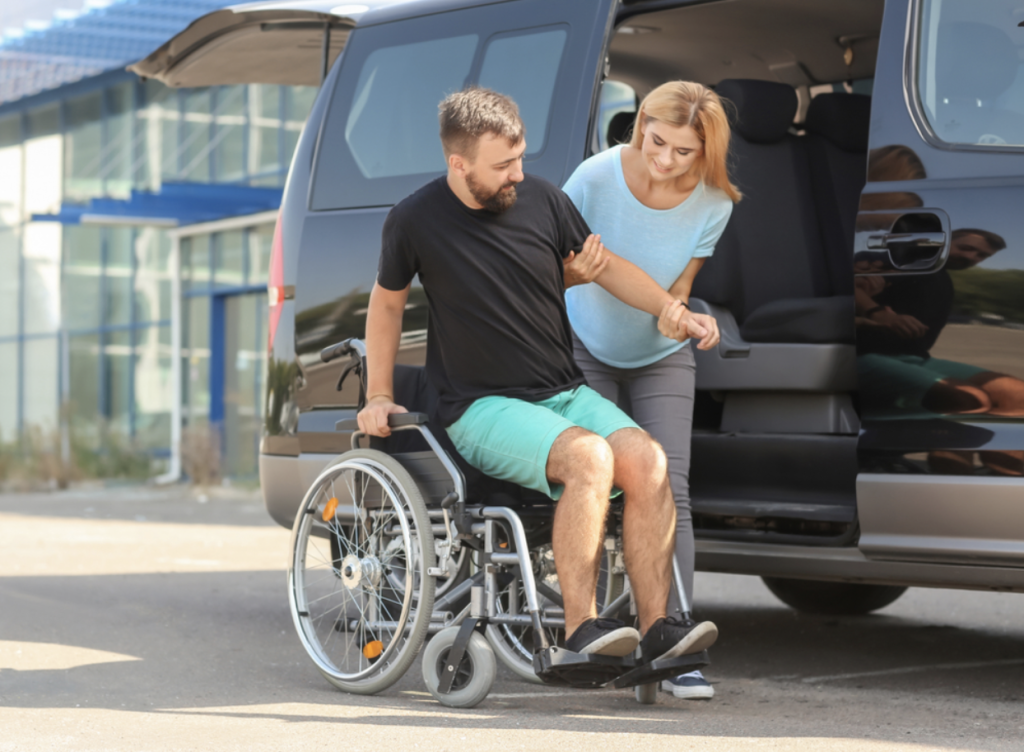
Your symptoms do not pause just because you are sitting in a vehicle. You may experience unexpected issues during transport. For example, you might feel sudden dizziness, shortness of breath, or fainting. You might experience severe weakness after a dialysis treatment or stumble while entering the vehicle. Mobility assistance requires careful awareness. Your driver helps you safely get in and out of the vehicle to prevent slips or falls. They recognize the exact signs when you need additional help.
CPR and First Aid Training Builds Patient Confidence
Feeling anxious about travel is completely normal. Knowing your driver is highly trained helps you feel safer during your transport. This is especially important if you are a senior or a medically vulnerable passenger. This training actively helps reduce your anxiety surrounding transportation. Your family gains peace of mind, too. Caregivers know their loved one is riding with someone trained to respond in an emergency. This greatly reduces stress for family members who cannot always attend appointments with you.
Professional Training Reflects Higher Standards of Care
You deserve high-quality care at every step of your journey. Employing certified drivers shows a deep commitment to patient safety. Certification demonstrates clear professionalism and true preparedness. It indicates the transportation company prioritizes more than simple vehicle logistics. Compassion and training work together. You benefit from drivers who are both knowledgeable and deeply caring. Positive human interaction matters greatly during medical transportation.
Why This Matters for Recurring Medical Appointments
Frequent trips to the doctor can quickly become exhausting. If you are a dialysis patient, physical therapy patient, or senior attending recurring appointments, you benefit heavily from consistent, trusted care. Long-distance medical transportation riders also rely on this consistency. Familiarity reduces transportation stress. You feel much more comfortable with trained professionals you recognize and trust.
Choose Transportation That Prioritizes Your Safety
Medical transportation is about safety, reliability, and patient care. It is never just about getting you from point A to point B. CPR and First Aid certified drivers provide necessary reassurance during your most vulnerable moments. Make sure you choose a transportation provider focused heavily on preparedness and compassion. Take control of your journey today. Schedule your reliable transportation with absolute confidence.

Frequently Asked Questions
Q: Are CPR and First Aid certified drivers required for all medical rides?
A: No, they are not always legally required for basic transportation. However, high-quality non-emergency medical transportation providers require this certification to ensure your complete safety.
Q: Can the driver help me if I feel dizzy after my treatment?
A: Yes, the driver can assist you. They are trained to recognize signs of distress and safely support you if you feel weak or dizzy after a medical appointment.
Q: Does my family member need to ride with me?
A: No, your family member does not have to accompany you. Because your driver is highly trained in CPR and First Aid, your loved ones can have peace of mind knowing you are in capable hands.