
Key Takeaways
- Independence for seniors is about having choices, not about doing everything alone.
- Common age-related changes — vision loss, slower reaction times, medication side effects — can make driving unsafe long before a senior is ready to admit it.
- NEMT supports consistent access to medical appointments, reduces the burden on family caregivers, and helps seniors maintain the routines and relationships they value.
- Door-to-door assistance and wheelchair-accessible options make transportation possible even for seniors with significant mobility limitations.
Non-emergency medical transportation (NEMT) helps seniors stay independent by getting them to medical appointments, reducing their reliance on family members, and keeping them connected to routines and relationships that matter. Rather than signaling a loss of independence, reliable transportation gives seniors more freedom to live safely on their own terms.
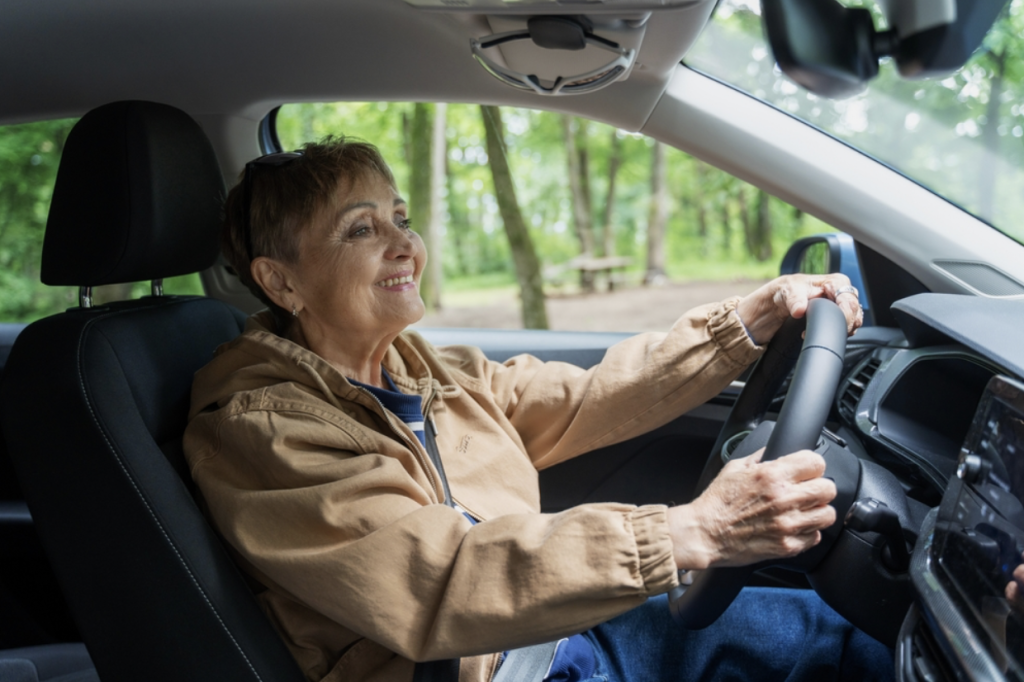
Independence doesn’t always mean driving yourself everywhere or never asking for anyone for help. For many older adults, it means something simpler: keeping appointments, running errands, seeing friends, and holding onto the routines that make a day feel normal.
But what happens when driving becomes harder? Maybe it’s a diagnosis that makes highways feel overwhelming. Maybe it’s your parent admitting, quietly, that they don’t feel safe driving at night anymore. Transportation can quickly become one of the biggest obstacles standing between seniors and the life they want to keep living.
This is where non-emergency medical transportation, or NEMT, comes in. It’s a resource built specifically to help seniors stay connected to the care and activities that matter most, without needing to get behind the wheel themselves.
When Does Transportation Start Becoming a Barrier?
Driving doesn’t usually become difficult overnight. It happens gradually, through a series of small changes that add up.
Several common age-related changes can make getting behind the wheel more difficult and, eventually, unsafe:
- Declining vision
- Slower reaction times
- Mobility limitations
- Medication side effects
- Anxiety about driving at night or in bad weather
- Difficulty navigating unfamiliar areas
What happens when seniors lose access to transportation?
The effects tend to ripple outward. Missed or postponed medical appointments become more common. Social activities fall away one by one. Isolation increases, and seniors start relying on family members for trips they used to make on their own. Over time, some seniors become less willing to leave home at all, even when they need to.
Recognizing this pattern early — before appointments start slipping and isolation sets in — makes it easier to find solutions before a real crisis develops.
1. NEMT Helps Seniors Get to Important Medical Appointments
Healthcare access is a major part of independence. When transportation is reliable, seniors can consistently attend the appointments that keep them healthy:
- Primary care visits
- Specialist appointments
- Physical therapy
- Dialysis
- Rehabilitation
- Follow-up care
Recurring transportation makes ongoing care far easier to manage. Instead of scrambling to find a ride every time an appointment comes up, seniors can count on a scheduled, predictable routine. Consistency matters here — a senior shouldn’t have to depend on a different family member for every single appointment.
2. It Reduces Dependence on Family Members
Family caregivers are often stretched thin. They’re managing their own jobs, their own children, and their own appointments — sometimes while coordinating care from a different city entirely.
NEMT fills the transportation gap that caregivers can’t always cover. It gives them another reliable option beyond their own schedules, and it allows family visits to focus on connection instead of logistics. When a daughter drives three hours to see her father, the last thing she wants is to spend that time shuttling him to a lab appointment. NEMT can carry that weight instead, reducing stress and scheduling conflicts for everyone involved.
3. It Helps Seniors Maintain Their Routines
Routine matters more than people often realize, especially as we age. Regular appointments, physical activity, community involvement, and visits with friends and family all contribute to a sense of stability and purpose.
Transportation shouldn’t be the reason those routines disappear. Reliable rides help seniors keep participating in the commitments they’ve built over the years, instead of watching them fall away one missed trip at a time.
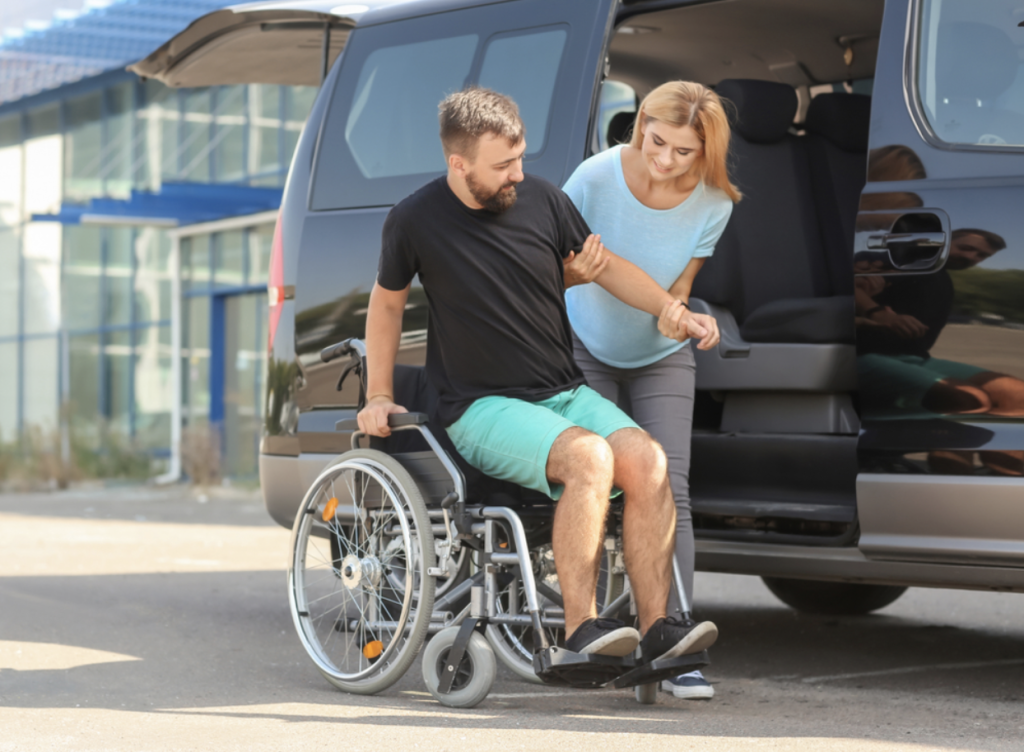
4. Door-to-Door Assistance Makes Transportation More Accessible
Sometimes the hardest part of a trip isn’t the ride itself — it’s getting to the vehicle in the first place. Seniors with limited mobility may struggle with stairs, long distances, uneven sidewalks, or simply getting in and out of a car safely.
Quality NEMT providers offer more than transportation from point A to point B. Look for:
- Door-to-door assistance
- Help getting safely into and out of the vehicle
- Wheelchair-accessible transportation when needed
- A patient, unhurried experience that doesn’t rush seniors through the process
These details might sound small, but they’re often what determines whether a senior feels safe leaving the house at all.
5. It Can Help Seniors Feel More Confident About Getting Around
Transportation anxiety is real. Worry about driving, fear of falling, concern about getting lost, or stress about repeatedly asking family for help can all weigh on a senior’s sense of confidence.
A dependable transportation routine offers reassurance. Seniors know what to expect, professional drivers make the experience feel comfortable, and familiar routines make leaving home feel far less intimidating.
6. NEMT Can Help Combat Social Isolation
Independence isn’t only about healthcare. Losing the ability to drive often means losing opportunities for connection, too.
Transportation can help seniors stay linked to family gatherings, community events, religious services, and social occasions that make life feel full. Staying connected supports quality of life just as much as staying on top of medical care does. Getting out of the house and maintaining relationships is a genuine part of healthy aging, not an afterthought.
Independence Doesn’t Have to Mean Doing Everything Alone
It helps to reframe transportation assistance as a tool for independence, not a sign that independence is ending. Asking for help with rides can allow seniors to keep doing many of the things they value most.
The goal isn’t necessarily to keep someone behind the wheel at all costs. It’s to help them keep moving safely, on their own terms.
When evaluating a transportation service, look for one that offers:
- Reliable, scheduled transportation
- Professional and compassionate drivers
- Door-to-door assistance
- Wheelchair-accessible options when needed
- Recurring appointment scheduling
- Drivers who understand the needs of older adults
- Clear communication with passengers and caregivers
Plan Ahead, Not Just for the Next Appointment
Losing the ability or confidence to drive doesn’t have to mean losing independence. NEMT can help seniors continue accessing healthcare, maintaining routines, seeing loved ones, and participating in their communities. The right transportation support gives seniors more freedom, not less.
United Care Transport works with seniors and families to build dependable, comfortable transportation plans for ongoing medical care. If transportation has started to feel uncertain, now is the right time to explore your options.

FAQs
Q: Does using NEMT mean a senior is giving up their independence?
A: No. NEMT is designed to support independence, not replace it. By handling the transportation piece, it allows seniors to keep attending appointments, seeing loved ones, and staying active in their communities without relying entirely on family members for every trip.
Q: How is NEMT different from calling a rideshare service?
A: NEMT drivers are trained to work with older adults and often provide door-to-door assistance, help with mobility aids, and wheelchair-accessible vehicles. Rideshare services typically don’t offer this level of support, which can make a significant difference for seniors with mobility limitations.
Q: When should a family start looking into transportation support for an aging parent?
A: The best time to start is before driving becomes unsafe or appointments start being missed. Setting up a transportation plan early — while a senior is still mobile and independent — makes the transition smoother and reduces stress for everyone involved.