Key Takeaways
-
- More Than Just a Ride: Door-to-door assistance is a comprehensive service where a driver helps a patient from their front door to the vehicle and then from the vehicle to their appointment check-in desk, ensuring safety and support throughout the entire journey.
-
- Essential for Vulnerable Patients: This service is particularly beneficial for seniors, individuals with mobility challenges, and those with cognitive impairments who need more than simple transportation.
-
- Reduces Stress and Risk: By providing physical and emotional support, door-to-door assistance minimizes the risk of falls, reduces anxiety for patients and their families, and ensures timely arrivals for appointments.
-
- Promotes Independence: It empowers patients to attend medical appointments on their own, fostering a sense of independence and improving their overall quality of life.
Getting to a medical appointment can feel like a major hurdle, especially when you or a loved one needs a little extra help. You arrange the ride, but then the real questions start. Who will help you down the front steps? Who makes sure you get from the car safely into the clinic? This is where the true value of door-to-door assistance shines. It’s a service that goes far beyond a simple pickup and drop-off, offering a steady hand and peace of mind when it’s needed most.
This post will explore what door-to-door assistance truly means for patients. We’ll look at the differences between this and other transport services, highlight the key benefits, and explain why this level of care is so important for so many people.
What is Door-to-Door Assistance?
Imagine a transportation service that feels more like a trusted friend is helping you out. That’s the essence of door-to-door assistance. Unlike a standard taxi or rideshare service that offers curbside pickup, a door-to-door driver provides hands-on support from the moment they arrive.
The process typically looks like this:
-
- Arrival and Greeting: The driver arrives at your home and comes to your front door to greet you.
-
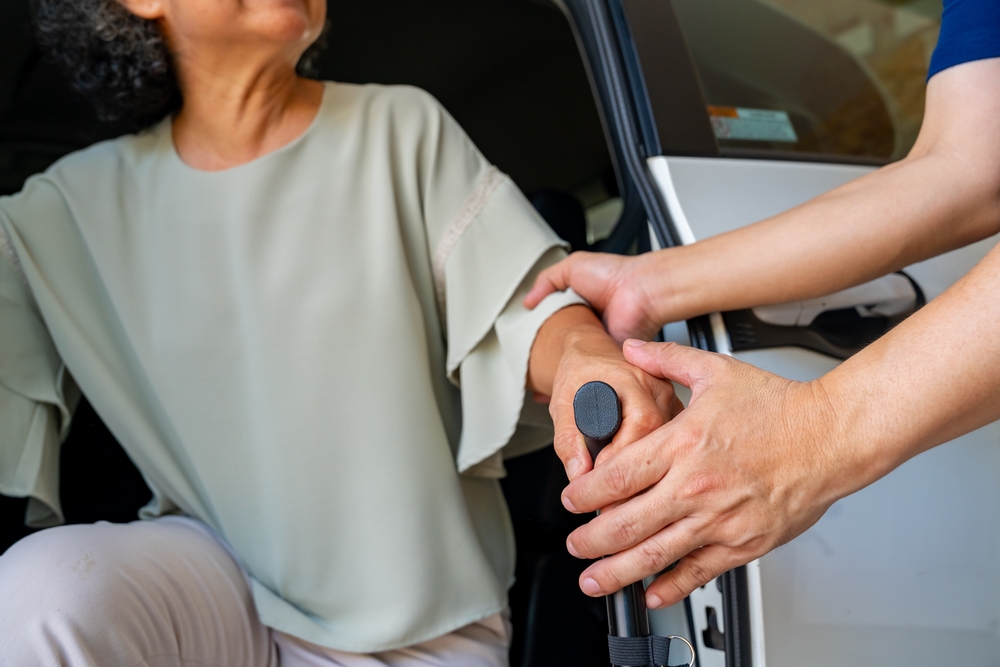
- Assistance to the Vehicle: They help you gather your belongings, lock up your home, and provide physical support as you walk to the vehicle. This can include offering a steady arm, navigating stairs, or helping with a walker or cane.
-
- Safe Travel: The driver ensures you are comfortably and safely buckled into the vehicle before starting the trip.
-
- Arrival at the Destination: Upon reaching the medical facility, the driver helps you exit the vehicle and accompanies you all the way to the check-in desk.
-
- Ensuring a Smooth Hand-off: They don’t leave until you are safely with the clinic staff, confirming you are in the right place at the right time.
This service effectively bridges the gap between your front door and the doctor’s office, eliminating a major source of stress and potential danger for those with mobility issues.
Who Benefits Most from Door-to-Door Service?
While anyone can appreciate the convenience, door-to-door assistance is a vital lifeline for specific groups of patients. It provides a level of care that empowers them to maintain their health with dignity and safety.
Seniors
As we age, mobility can become a challenge. Navigating stairs, uneven sidewalks, or busy parking lots can increase the risk of a fall. A driver providing a steady arm and watchful eye can make the difference between confidently attending an appointment and staying home out of fear.
Patients with Mobility Challenges
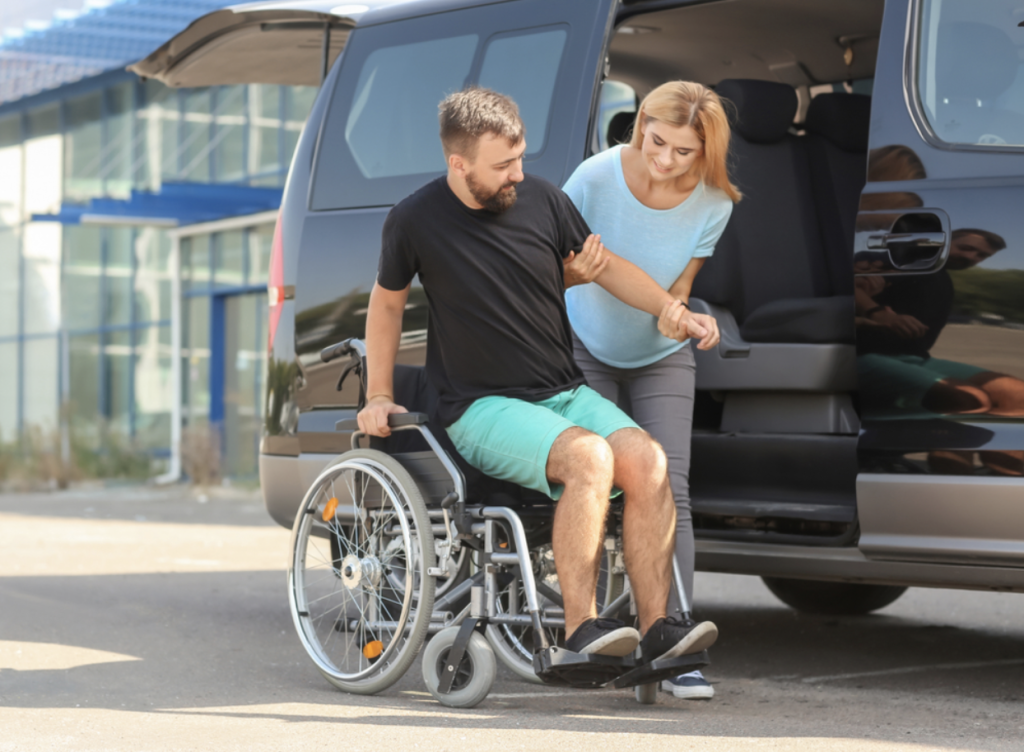
For individuals who use wheelchairs, walkers, or crutches, getting into and out of a vehicle can be difficult. Door-to-door drivers are trained to assist with these transfers, ensuring the process is both safe and comfortable. This support is crucial for patients recovering from surgery, managing chronic conditions like arthritis, or living with a permanent disability.
Individuals with Cognitive or Visual Impairments
Navigating a large, confusing hospital or clinic can be overwhelming for anyone. For patients with cognitive conditions like dementia or those with visual impairments, it can be impossible. A door-to-door driver acts as a guide, ensuring the patient gets to the correct department without confusion or distress.
The Key Benefits of Door-to-Door Assistance
The impact of this service extends beyond simple logistics. It offers profound benefits that enhance a patient’s well-being and overall healthcare experience.
Enhanced Safety and Reduced Risk
The journey from the front door to the car and from the car to the clinic is where accidents often happen. A simple trip or fall can lead to serious injury, derailing a patient’s recovery. Door-to-door assistance directly addresses this risk by providing physical support at every step. This proactive care prevents injuries and the costly medical bills that come with them.
Increased Independence and Confidence
Relying on family or friends for every appointment isn’t always possible or preferred. Door-to-door service gives patients the freedom to manage their own healthcare schedules. This autonomy is incredibly empowering, boosting their confidence and allowing them to maintain a sense of independence that is vital for mental and emotional health.
Peace of Mind for Patients and Families
Knowing a trained professional is overseeing the entire journey provides immense relief. Patients feel less anxious about the trip, and their families can rest easy, knowing their loved one is in good hands. This emotional support is just as important as the physical assistance, reducing the overall stress associated with medical care.
Do You Need Assistance?
Door-to-door assistance is much more than a transportation service; it’s a compassionate support system. It ensures that vulnerable patients can access the medical care they need with safety, dignity, and independence. By offering a helping hand from the moment a trip begins to its final destination, this service addresses the real-world challenges people face when trying to manage their health. It transforms a potentially stressful journey into a smooth and reassuring experience, proving that sometimes, the most important part of healthcare happens outside the clinic walls.

Frequently Asked Questions
1. How is door-to-door different from curb-to-curb service?
Curb-to-curb service means the driver picks you up and drops you off at the curb, and you are responsible for getting to and from the vehicle on your own. Door-to-door service involves the driver physically assisting you from your front door to the vehicle and from the vehicle to your appointment check-in.
2. Can a family member or caregiver ride along?
If the patient is a private pay, there is no additional cost for an extra passenger. Most NEMT providers also allow a caregiver or family member to accompany the patient, but it’s important to confirm this when booking the ride. Mentioning an additional passenger ensures the right vehicle is dispatched.
3. Can a family member or caregiver ride along?
Most NEMT providers allow a caregiver or family member to accompany the patient at no extra cost, but it’s important to confirm this when booking the ride. Mentioning an additional passenger ensures the right vehicle is dispatched.
4. Are the drivers trained to provide this level of help?
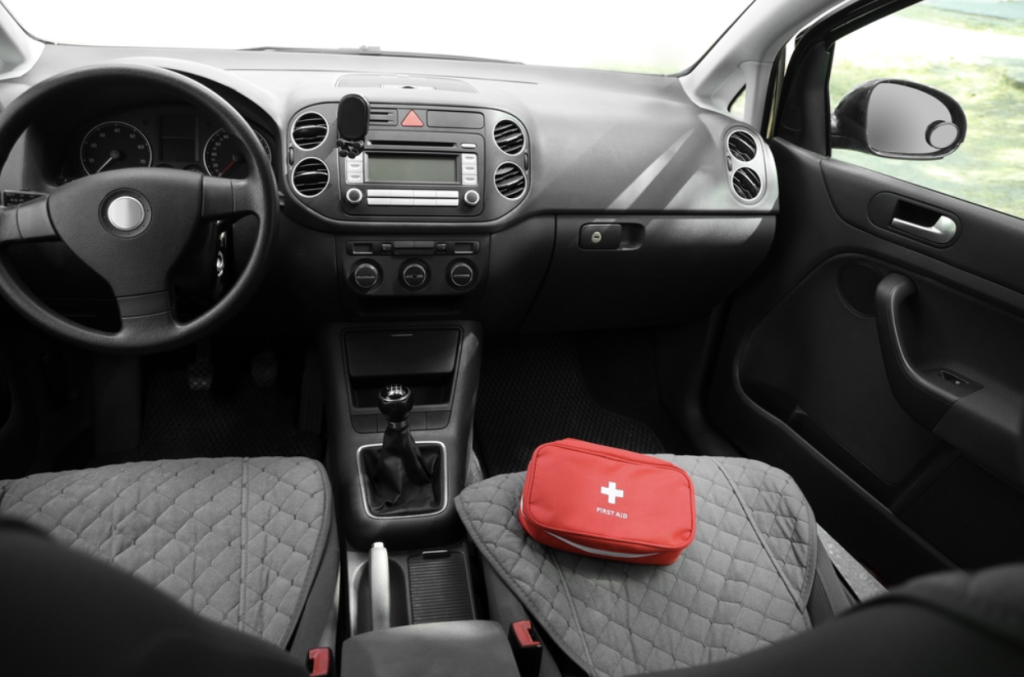
Yes, drivers for reputable door-to-door services receive specialized training. This often includes patient sensitivity, assistance with mobility devices, basic first aid, and procedures for safely helping passengers with different needs.
5. How do I request door-to-door assistance?
When scheduling your medical transportation, you must specifically request door-to-door assistance. Be sure to explain your mobility needs so the provider can assign a properly trained driver and the right vehicle for your appointment.